Craftsmanship in Danger: PMSweet and the Lexical Blur
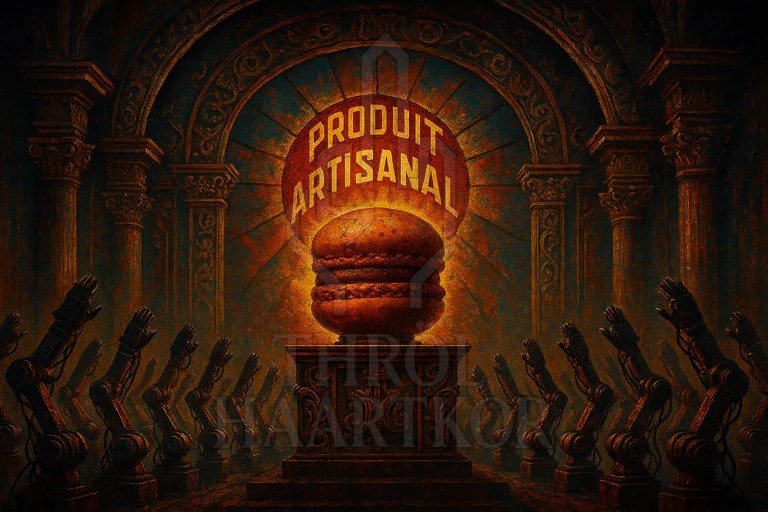
Ah, PMSweet, the macaron champion! Started in a garage, now a monster of automation cranking out 1 million macarons a day. But can we really talk about craftsmanship with 350 employees and robots galore? In Belgium, being an artisan is a real obstacle course: 20 employees max, hands in the dough, and a recognition logo. Yet “artisanal” roams free like an influencer at a party, with no clear definition. The result? An overworked pastry chef facing a macaron factory that can claim to be artisanal without title or merit. Beautiful irony, isn’t it?

The B Corp label myth exposed

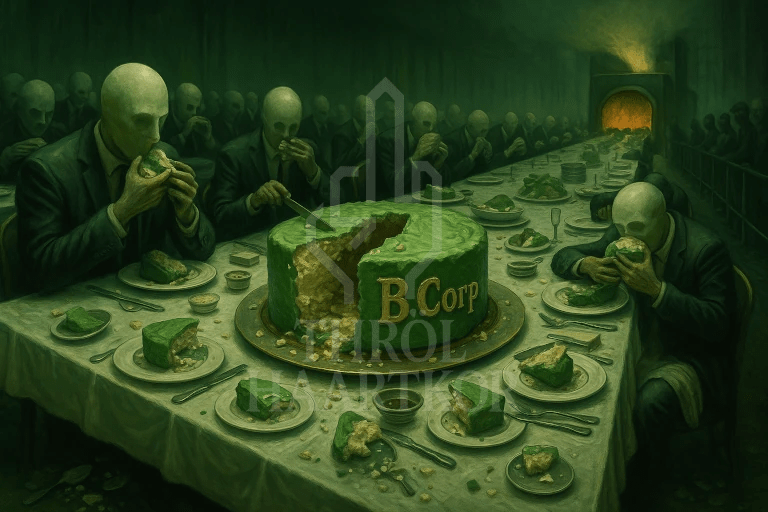
Ah, B Corp - the business world’s superhero, only with a cardboard suit. This glittering badge could be a ticket to a better world, but mostly works as a blinding shop window, masking shady practices and a real lack of transformation. Companies tick the shiny boxes, while the dark corners stay untouched. Great for their marketing animations! Meanwhile, a few decent SMEs try to act responsibly, but most corporate giants keep dancing their usual ballet without changing the tune. In short, B Corp is flashy smoke and mirrors - with no real change in sight!

Le mythe du label B Corp exposé

Ah, B Corp, le super-héros du monde des affaires, mais avec un costume en carton. Ce badge scintillant pourrait être le ticket pour un monde meilleur, mais il semble qu'il fonctionne surtout comme une vitrine éblouissante, cachant derrière elle des pratiques douteuses et un manque de transformation réelle. Les entreprises cochent des cases brillantes, mais les coins sombres restent cachés. Tant mieux pour leurs animations marketing ! Alors que certaines PME dignes essaient de se montrer responsables, la plupart des géants continuent leur ballet tout en conservant leurs vieilles recettes. En gros, B Corp, c'est de la belle poudre aux yeux, mais pas beaucoup de changement en perspective !

Transparency in closures: a necessity for sustainable wine
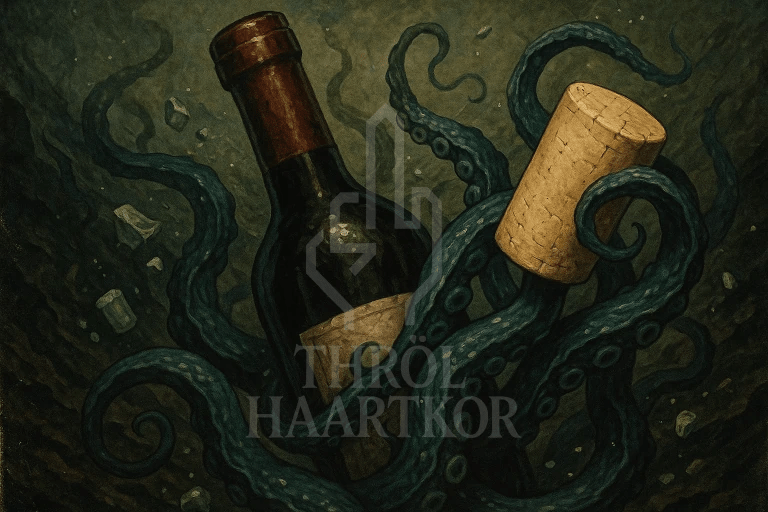
The plastic stopper, often sidelined in sustainability discussions around wine, raises crucial questions about transparency and truthfulness in labeling. Including the stopper type on wine labels could illuminate what consumers are actually buying - cutting through the greenwashed narratives that dominate the industry. Whether cork, aluminum or plastic, the stopper carries serious environmental implications, and the material choice deserves to be stated outright. By embracing this level of transparency, producers can build a more genuine relationship with their consumers - reinforcing the wine sector’s ecological commitments with actual consistency.

WCM, EFQM and ISO: It’s time to question everything
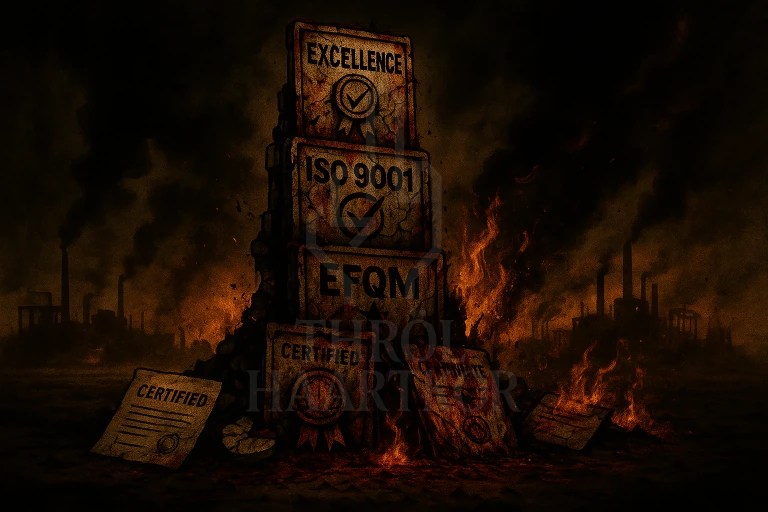
🏆 Industrial excellence? A trophy, a photo, a story. (WCM. EFQM. ISO.) Labels that validate the narrative, not the experience. What they measure: compliance. What they ignore: wear, reality, silences. No human evaluation. No lived transformation. Just a mirror held up to the public. A trophy changes nothing. It just looks pretty on the mantel. Thröl Haartkor Mk III - When you can’t listen to the teams, you collect medals.

Vinventions : Innovation Écologique ou Illusion ?
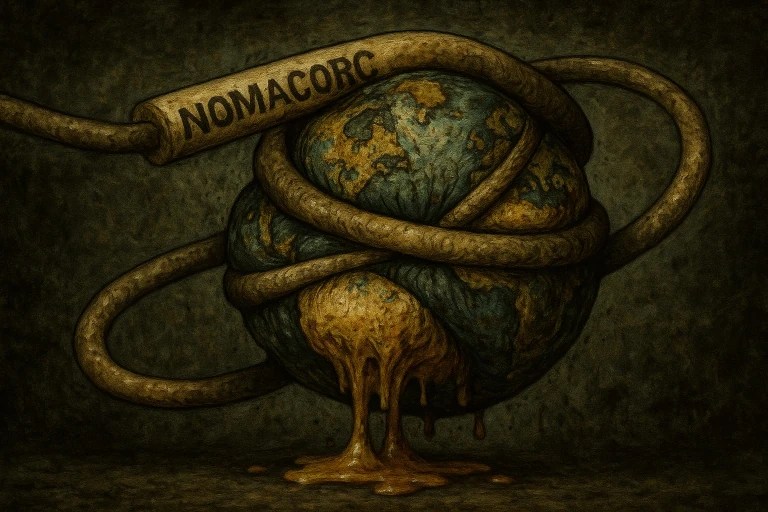
Vinventions, le grand manitou des bouchons plastiques, nous régale d'un récit où le plastique est le nouvel héros écolo. Ils nous promettent des produits "recyclables" et "carbone neutre", tout en nous parlant de leur Green Line, qui, spoiler alert, finit souvent plus dans l'incinérateur que dans un bac de recyclage. Comme une étoile de cinéma, elle brille, mais l'éclat masque une réalité peu reluisante. En somme, avec la neutralité carbone qui reste dans le flou artistique et des tests de durabilité invisibles, on se demande si leurs bouchons ne sont pas surtout là pour flatter notre conscience... ou notre vin !