L’Artisanat en Danger : PMSweet et le Flou Lexical
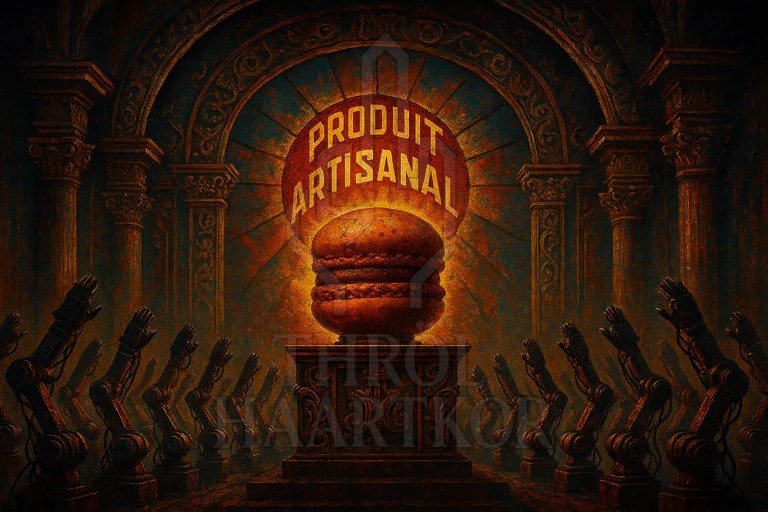
Ah, PMSweet, ce champion du macaron ! Commencé dans un garage, maintenant un monstre de l’automatisation qui fabrique 1 million de macarons par jour. Mais peut-on vraiment parler d’artisanat quand on a 350 employés et des robots à gogo ? En Belgique, être artisan, c’est un vrai parcours du combattant : 20 employés maximum, main à la pâte, et un logo de reconnaissance. Pourtant, l’« artisanal » circule comme un influenceur à une soirée, sans définition claire. Résultat ? Un pâtissier surchargé face à une usine à macarons qui peut se prétendre artisanale sans titre ni mérite. Belle ironie, non ?

Decoding Vinventions’ 2024 CSR Report: Truth or Spin?
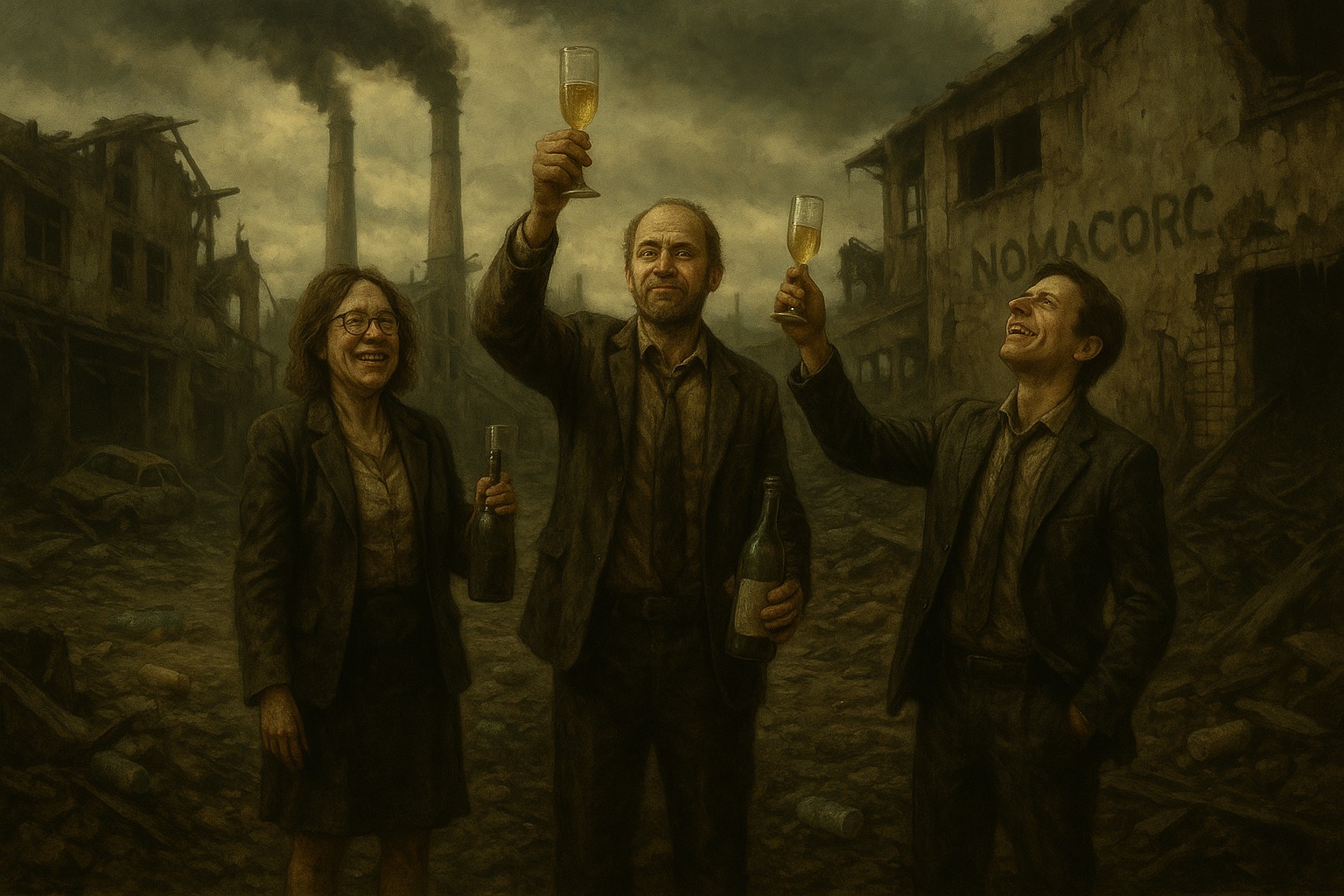
Welcome to the dazzling world of Vinventions, the plastic cap champion celebrating 25 years of sustainable innovation, or more honestly, 25 years perfecting the art of recycled marketing. Their 2024 CSR report is packed with flashy stats like 73% recycled caps, but the real question is, recycled how? Pre-consumer or post-consumer? And what about that 78% “sustainable energy” claim, which could just be a heartfelt tribute to the green tint of a kilowatt? Bottom line, it is a festival of sugar-coated promises without a shred of proof for real environmental commitment. Think about it. A stoper on a problem that desperately needs a real closure.

Vinventions: Ecological Innovation or Pure Illusion?
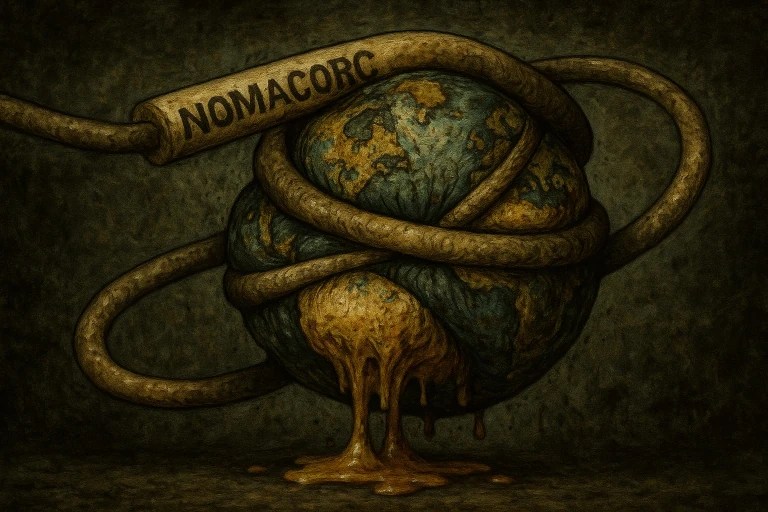
Vinventions, the grand wizard of plastic caps, serves up a story where plastic gets cast as the new eco-hero. We’re promised “recyclable” and “carbon-neutral” products, all wrapped up in their Green Line - which, spoiler, usually ends up in the incinerator rather than any recycling bin. Like a movie star, it dazzles, but that shine covers up a much duller reality. Bottom line: with carbon neutrality floating in artistic blur and durability tests nowhere to be seen, you start to wonder if their caps are really made to stroke your conscience... or just your wine!

The Impact of Social Media on 15-Year-Old Teenagers
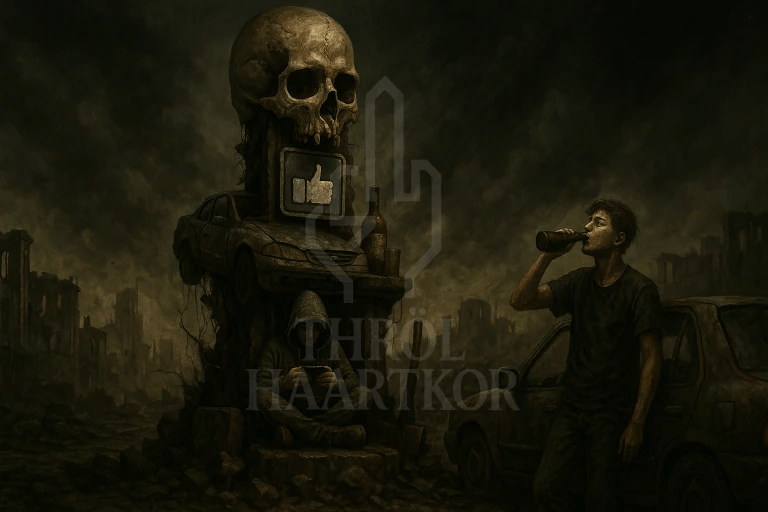
Ah, adolescence in the age of social media! At 15, our sweet little cherubs dive headfirst into a sea of distractions, mimicking TikTok demigods while soaking up masterclasses in cultural self-destruction. At 16, armed with their shiny new autonomy, they become connoisseurs of shots and curators of humiliating stories. And at 18? Here, take the keys to a car - because who doesn’t love mixing intoxication with tight corners? This isn’t an education policy. It’s a tragic comedy where adults, adrift in their own digital cluelessness, hand out responsibilities to teenagers like candy. What if we launched a digital detox bootcamp in the Vosges instead? Now that’s an idea.

Transparence des bouchons : une nécessité pour le vin durable
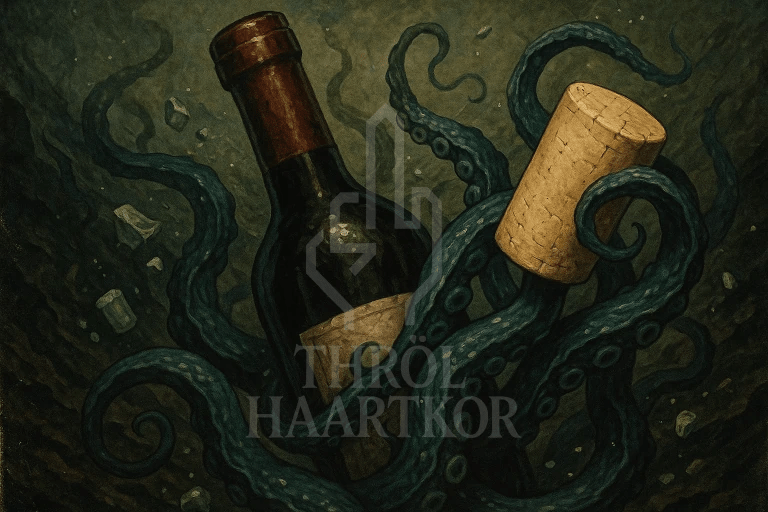
Le bouchon plastique, souvent négligé dans le discours sur la durabilité du vin, soulève des questions essentielles sur la transparence et l’honnêteté dans l'étiquetage. L’idée d’inclure le type de bouchon sur les étiquettes de vin pourrait éclairer les consommateurs sur la composition de ce qu’ils achètent, contrecarrant les récits écologiques souvent trompeurs. Le bouchon, qu'il soit en liège, en aluminium ou en plastique, a des implications significatives pour l'environnement, et le choix du matériau mérite d’être explicitement mentionné. En intégrant cette transparence, les producteurs peuvent établir une relation plus authentique avec les consommateurs, renforçant la cohérence dans l'engagement écologique du secteur viticole.

WCM, EFQM et ISO : Il est temps de remettre en question
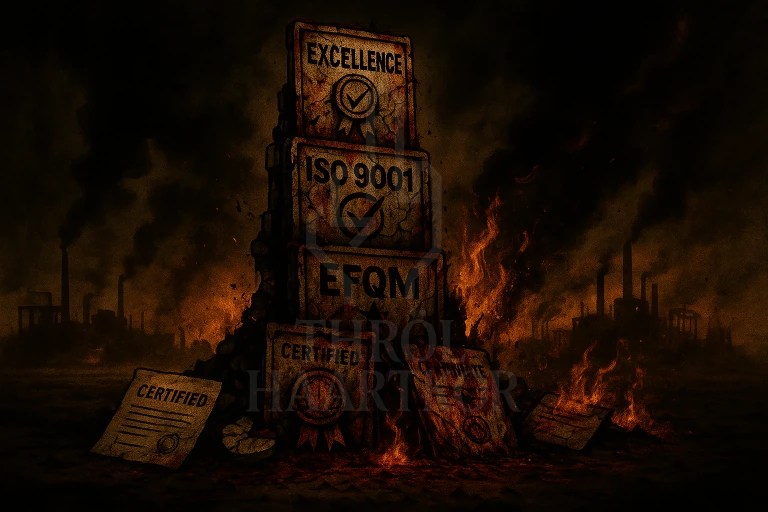
🏆 L’excellence industrielle ? Un trophée, une photo, un récit. (WCM. EFQM. ISO.) Des labels qui valident le discours - pas le vécu. 👉 Ce qu’ils mesurent : la conformité. 👉 Ce qu’ils ignorent : l’usure, le réel, les silences. Pas d’évaluation humaine. Pas de transformation vécue. Juste un miroir tendu au public. Un trophée ne change rien. Il fait juste joli sur la cheminée. Thröl Haartkor Mk III - À défaut d’écouter les équipes, on collectionne les médailles.