Cork vs Plastic: A Durable Duel
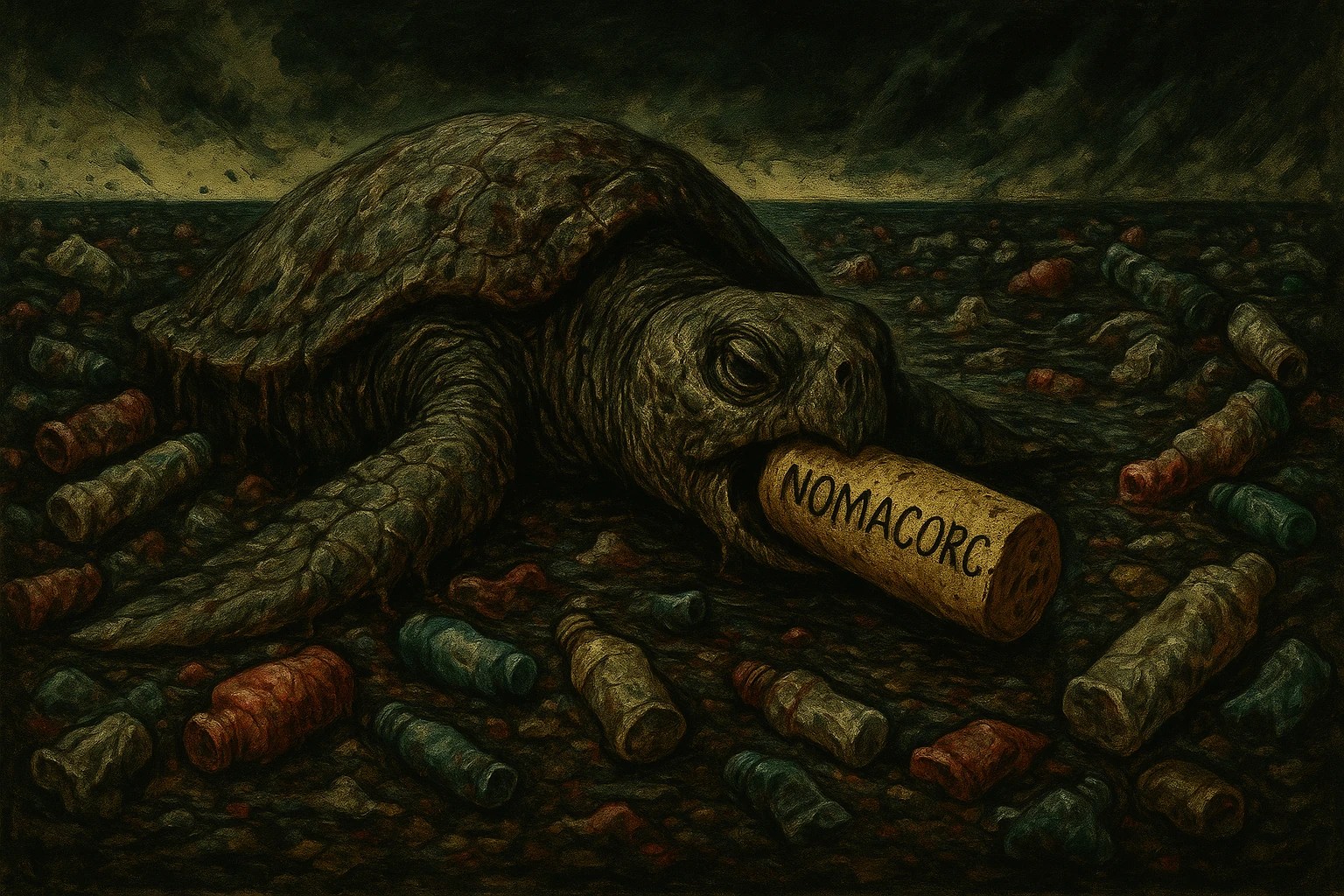
Cork didn’t wait for green slogans to exist. For centuries, it has sealed bottles, protected ecosystems, employed people. And above all, it has stored carbon for decades, silently, without storytelling Then one day, industry showed up, with its big boots, its lab genius, its R&D... and bio-based plastic was born. A green plastic, eco on the label, promoted by a generation of salespeople who confuse marketing with ecology... but who understand nothing about life. They claim that sugarcane does better than cork oak. Faster, more modern, more scalable. Numbers, always numbers!! But we love numbers too... So let’s make them speak differently. Because this duel is rigged. Yes, sugarcane captures fast, but it releases just as fast. If bio-based plastic makes promises, it pollutes silently. And while those illusionists count grams of CO₂, cork stores kilos, without cheating. Here is a critical and data-driven panorama. A demonstration that sometimes, the best innovation is simply not having been dumb enough to know it all along... and wanting to replace it for profit.

Transparency in closures: a necessity for sustainable wine
The plastic stopper, often sidelined in sustainability discussions around wine, raises crucial questions about transparency and truthfulness in labeling. Including the stopper type on wine labels could illuminate what consumers are actually buying - cutting through the greenwashed narratives that dominate the industry. Whether cork, aluminum or plastic, the stopper carries serious environmental implications, and the material choice deserves to be stated outright. By embracing this level of transparency, producers can build a more genuine relationship with their consumers - reinforcing the wine sector’s ecological commitments with actual consistency.

WCM, EFQM and ISO: It’s time to question everything

🏆 Industrial excellence? A trophy, a photo, a story. (WCM. EFQM. ISO.) Labels that validate the narrative, not the experience. What they measure: compliance. What they ignore: wear, reality, silences. No human evaluation. No lived transformation. Just a mirror held up to the public. A trophy changes nothing. It just looks pretty on the mantel. Thröl Haartkor Mk III - When you can’t listen to the teams, you collect medals.

Decoding Vinventions’ 2024 CSR Report: Truth or Spin?

Welcome to the dazzling world of Vinventions, the plastic cap champion celebrating 25 years of sustainable innovation, or more honestly, 25 years perfecting the art of recycled marketing. Their 2024 CSR report is packed with flashy stats like 73% recycled caps, but the real question is, recycled how? Pre-consumer or post-consumer? And what about that 78% “sustainable energy” claim, which could just be a heartfelt tribute to the green tint of a kilowatt? Bottom line, it is a festival of sugar-coated promises without a shred of proof for real environmental commitment. Think about it. A stoper on a problem that desperately needs a real closure.

Vinventions: Ecological Innovation or Pure Illusion?
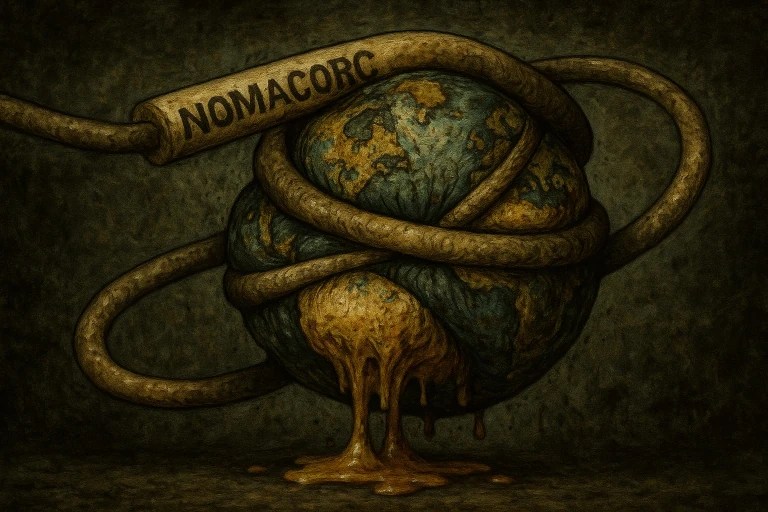
Vinventions, the grand wizard of plastic caps, serves up a story where plastic gets cast as the new eco-hero. We’re promised “recyclable” and “carbon-neutral” products, all wrapped up in their Green Line - which, spoiler, usually ends up in the incinerator rather than any recycling bin. Like a movie star, it dazzles, but that shine covers up a much duller reality. Bottom line: with carbon neutrality floating in artistic blur and durability tests nowhere to be seen, you start to wonder if their caps are really made to stroke your conscience... or just your wine!

Toward a plastic-free future: change the logic
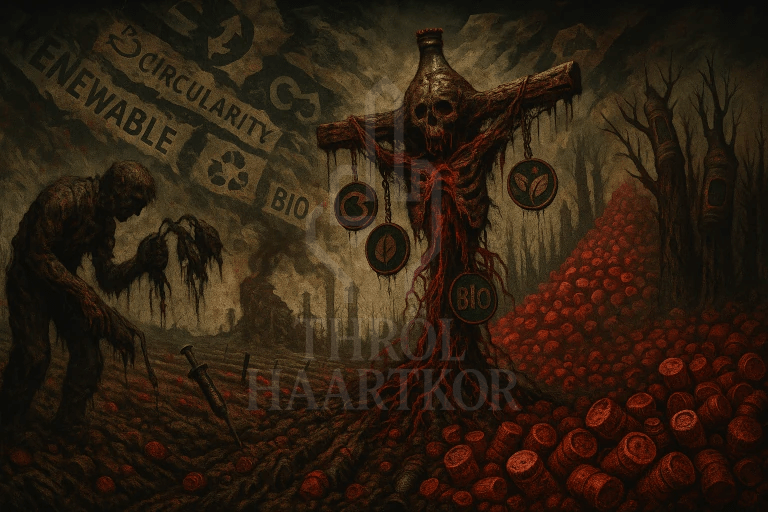
Plastic, that good old 21st-century parasite, lives on in new disguises: welcome to “bio-based plastic”! We figured swapping oil for plants might give our queens of hell a touch of dignity. Spoiler alert: plastic is still plastic, whether it comes from cornfields or crude. Basically, we slapped a green smile on a monster that refuses to die. The waste keeps piling up, and this so-called “innovation” might just be a masterclass in marketing spin. So... when do we finally break up with plastic for real?

Ocean Recycled wine closures: Promises vs. Reality

If you thought ocean-plastic closures came straight from the abyss - think again! These sustainability darlings are actually much closer to the shoreline than the deep sea, collected from “at-risk” zones, not the ocean itself. Flaunting their “recycled” label like stars on a green carpet, many still pack a hefty dose of virgin plastic - because recycled alone rarely holds up. It’s a neat little accounting trick, where what’s actually inside remains a mystery. Maybe fewer closures is the real green answer to this plastic comedy!

Circularity: Reality or Illusion in Petrochemicals?

Braskem Idesa puts on a sustainability parade in its 2024 ESG report, but the reality tells a different story. The company plays the circularity card while delivering a recycled resin output that’s barely measurable. As it flaunts marketing wins, it clings to an industrial model rooted in fossil fuels - backed by massive investments to keep that dependence alive. Glossy biodiversity stats gloss over neglected environmental impacts. This report, orchestrated to soothe investors, feels more like a smokescreen than a genuine shift toward sustainable transformation. The real costs and consequences of these choices remain in the dark - raising serious questions about the credibility of it all.

Unpacking the eco-facade of modern industry

Companies wrap themselves in green - but the reality is much darker. Between honey jars showcased on LinkedIn and tons of plastic churned out behind the scenes, the façade of corporate ecology fools no one. These “nature-friendly” gestures mask a hungry industry, where a few kilos of honey can’t offset thousands of tonnes of polymers. A beehive on a rooftop doesn’t erase plastic pipelines. The masquerade has to end. It’s time to face material truths - and push for deep transformation, not photogenic stunts. Drop the symbols. Demand tangible results.

The bio-based plastic: branded green, built to last forever.”

Ah, World Environment Day, the perfect moment for the plastics industry to swap its polyethylene T-shirt for a lovely “bio-based” sweater. Like watching a criminal dress up as a hero. Every June 5, we get bombarded with dazzling promises that smell like chloroform for our critical minds. With magic words and catchy storytelling, we get sprinkled with “renewable”, never mind the actual facts. So yes, let’s celebrate this day by remembering: wrapping plastic in green won’t give it a conscience. Spoiler: the oceans don’t feel a thing.