Ocean Recycled wine closures: Promises vs. Reality

If you thought ocean-plastic closures came straight from the abyss - think again! These sustainability darlings are actually much closer to the shoreline than the deep sea, collected from “at-risk” zones, not the ocean itself. Flaunting their “recycled” label like stars on a green carpet, many still pack a hefty dose of virgin plastic - because recycled alone rarely holds up. It’s a neat little accounting trick, where what’s actually inside remains a mystery. Maybe fewer closures is the real green answer to this plastic comedy!

Circularity: Reality or Illusion in Petrochemicals?

Braskem Idesa puts on a sustainability parade in its 2024 ESG report, but the reality tells a different story. The company plays the circularity card while delivering a recycled resin output that’s barely measurable. As it flaunts marketing wins, it clings to an industrial model rooted in fossil fuels - backed by massive investments to keep that dependence alive. Glossy biodiversity stats gloss over neglected environmental impacts. This report, orchestrated to soothe investors, feels more like a smokescreen than a genuine shift toward sustainable transformation. The real costs and consequences of these choices remain in the dark - raising serious questions about the credibility of it all.

Unpacking the eco-facade of modern industry

Companies wrap themselves in green - but the reality is much darker. Between honey jars showcased on LinkedIn and tons of plastic churned out behind the scenes, the façade of corporate ecology fools no one. These “nature-friendly” gestures mask a hungry industry, where a few kilos of honey can’t offset thousands of tonnes of polymers. A beehive on a rooftop doesn’t erase plastic pipelines. The masquerade has to end. It’s time to face material truths - and push for deep transformation, not photogenic stunts. Drop the symbols. Demand tangible results.

The bio-based plastic: branded green, built to last forever.”

Ah, World Environment Day, the perfect moment for the plastics industry to swap its polyethylene T-shirt for a lovely “bio-based” sweater. Like watching a criminal dress up as a hero. Every June 5, we get bombarded with dazzling promises that smell like chloroform for our critical minds. With magic words and catchy storytelling, we get sprinkled with “renewable”, never mind the actual facts. So yes, let’s celebrate this day by remembering: wrapping plastic in green won’t give it a conscience. Spoiler: the oceans don’t feel a thing.

Why recycled plastic is not the solution

Plastic lives a double life — signing autographs as “GREEN”! Thröl Haartkor Mk III gives us a debrief on eco-impostures, with that trademark sour-sweet bite. From wine corks that reek of Tupperware, to “compostable” coffee pods that need the fires of hell to break down, to bioplastic cutlery that’s basically just plastic in a costume — our quest for sustainability looks more like a treasure hunt in a supermarket aisle. Bottom line? They’re selling us disposables dressed up in bio — but it’s all just Premium-grade bullshit. Cheers!

The untold lifecycle of plastic wine closure

A plastic cap is beautiful: small, light, “committed”. But to deliver it? Escaping pellets, gluttonous machines, thermal baths, solvents that evaporate faster than guilt. Add to that the kilos of invisible waste, the water running, the energy overflowing... All wrapped in premium storytelling. We don’t seal bottles anymore, we seal illusions. It’s clean, because everything dirty stays off-camera. Bravo, really. Marketing just invented a carbon footprint… soluble in narrative. Thröl Haartkor Mk IV - When it smells clean, I look for the leak.

The truth about bioplastics: Illusion or reality?
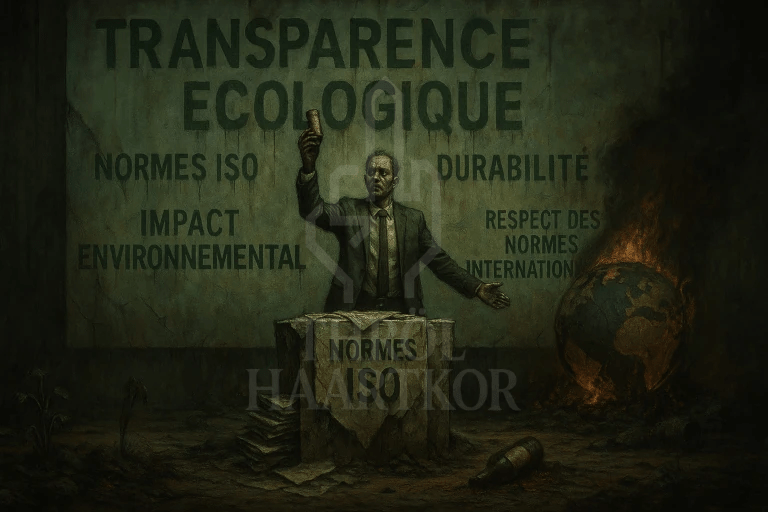
Bioplastics: the greenwashing champion's latest prodigy! Picture this - plastic straight from the cornfield, ready to save the planet. Sounds lovely, right? But beneath that shiny label, the same old polyethylene lurks, ready to wreak environmental havoc. The wine bottle cap sporting a "bio" badge? Just an elegant invite to the landfill! Industries are masters of storytelling, swapping genuine change for marketing magic tricks. The circular economy promise? More like a circle jerk, with recycling centers scratching their heads. In short, painting plastic green doesn’t change its nasty ways - it just dresses it up for a night out!