Disposable plastic: why a commission of legitimacy is urgently needed

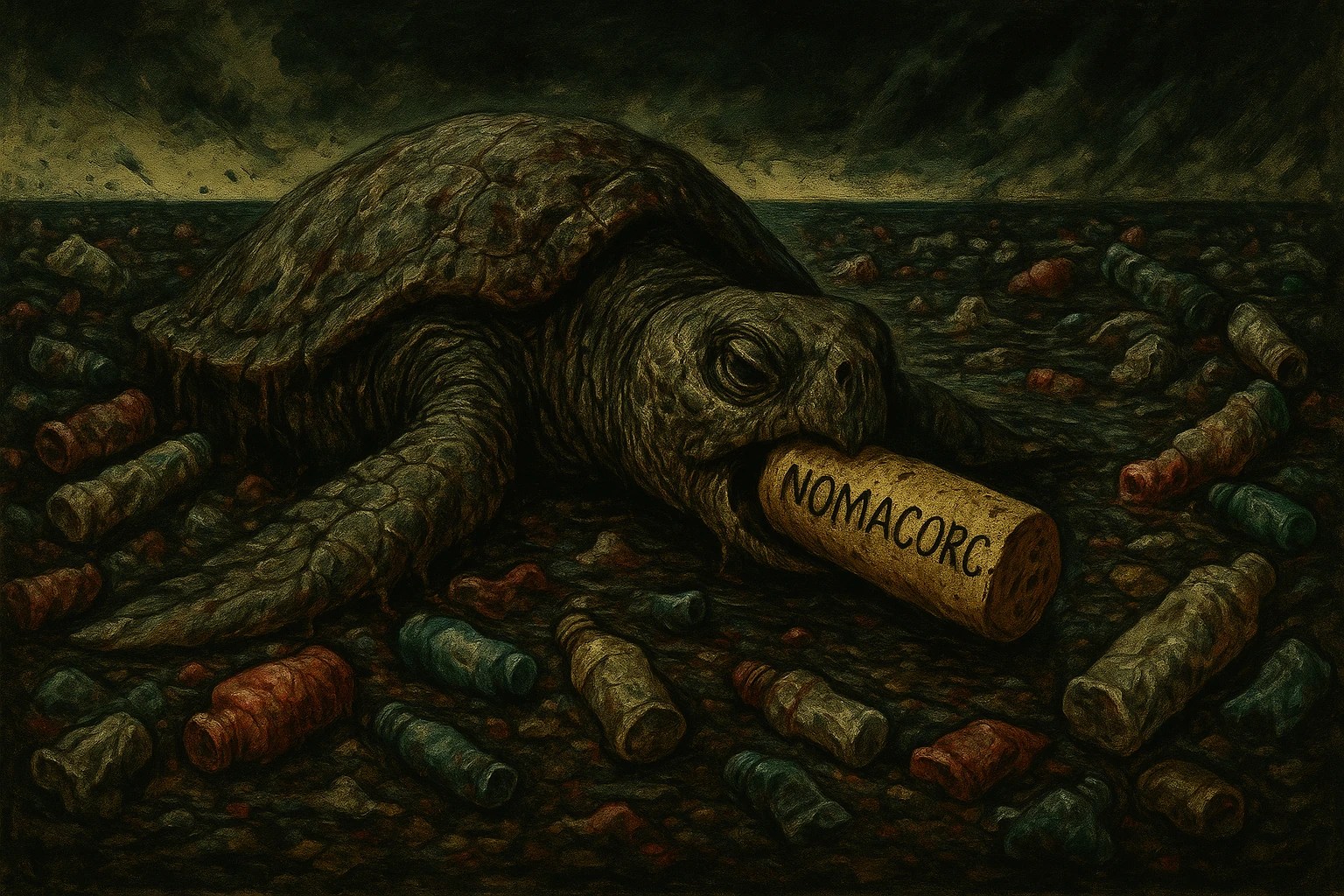
What if we stopped swallowing industrial fairy tales? This question isn’t a rhetorical caress. It’s a grenade. We already know what’s harmful, and yet we keep producing it. In the marine environment, the plastic stock is estimated at between 75 and 199 million tons. And every year, about 19 to 23 million additional tons end up in lakes, rivers, and oceans (order of magnitude set for 2016, almost certainly higher now since nothing has changed). [1] That’s the equivalent of dumping the contents of a garbage truck into the ocean every single minute. [2] What if we flipped the logic? If it were the producer who had to prove that their disposable item is absolutely essential, that no durable alternative exists, that the total environmental impact is justified, and finally, that production is calibrated to actual utility - not to maximum profit? We’d go from “citizen proves the product is harmful” to “seller proves it actually saves something”. We’re not talking about a utopia [...]

Plastique jetable : pourquoi une commission de légitimité est urgente

Et si on arrêtait les contes de fées industriels ? Cette question n’est pas une caresse rhétorique. C’est une grenade. On sait déjà ce qui est nuisible, mais on le fabrique quand même. Dans l’environnement marin, le stock de plastique est estimé entre 75 et 199 millions de tonnes. Et chaque année, environ 19 à 23 millions de tonnes supplémentaires gagnent lacs, rivières et océans (ordre de grandeur établi pour 2016, certainement en hausse vu que rien ne change). [1] Ce qui équivaut à déverser dans l’océan le contenu d’un camion-poubelle chaque minute.[2]Et si on arrêtait les contes de fées industriels ? Cette question n’est pas une caresse rhétorique. C’est une grenade. On sait déjà ce qui est nuisible, mais on le fabrique quand même. Dans l’environnement marin, le stock de plastique est estimé entre 75 et 199 millions de tonnes. Et chaque année, environ 19 à 23 millions de tonnes supplémentaires gagnent lacs, rivières et océans (ordre de grandeur établi pour 2016, certainement en hausse vu que rien ne change). [1] Ce qui équivaut à déverser dans l’océan le contenu d’un camion-poubelle chaque minute.[2] Et si on inversait la logique ? Si c’était le producteur qui devait démontrer que son objet jetable est absolument indispensable, que l’alternative durable n’existe pas, que l’impact environnemental total est justifié, et enfin que la production est calibrée à l’utilité réelle - pas au profit maximum ? On passe du “citoyen prouve que le produit est nocif” au “vendeur prouve qu’il sauve vraiment quelque chose”. On ne parle pas d’une utopie  [...]

Cork vs Plastic: A Durable Duel

Cork didn’t wait for green slogans to exist. For centuries, it has sealed bottles, protected ecosystems, employed people. And above all, it has stored carbon for decades, silently, without storytelling Then one day, industry showed up, with its big boots, its lab genius, its R&D... and bio-based plastic was born. A green plastic, eco on the label, promoted by a generation of salespeople who confuse marketing with ecology... but who understand nothing about life. They claim that sugarcane does better than cork oak. Faster, more modern, more scalable. Numbers, always numbers!! But we love numbers too... So let’s make them speak differently. Because this duel is rigged. Yes, sugarcane captures fast, but it releases just as fast. If bio-based plastic makes promises, it pollutes silently. And while those illusionists count grams of CO₂, cork stores kilos, without cheating. Here is a critical and data-driven panorama. A demonstration that sometimes, the best innovation is simply not having been dumb enough to know it all along... and wanting to replace it for profit.

Le liège contre le plastique : un duel durable

Depuis des siècles, il ferme les bouteilles, protège les écosystèmes, emploie les hommes. Et surtout, il stocke du carbone pour des décennies, en silence, sans storytelling Puis un jour, l’industrie est arrivée, avec ses gros sabots, son génie de laboratoire, sa R&D... et le plastique biosourcé est né. Un plastique vert, écolo sur l’étiquette, promu par une génération de commerciaux qui confondent marketing et écologie... mais qui ne comprennent rien à la vie. Ils prétendent que la canne à sucre ferait mieux que le chêne-liège. Plus rapide, plus moderne, plus scalable. Des chiffres, toujours des chiffres !! Mais nous aussi, on les aime beaucoup, les chiffres… Alors, faisons-les parler autrement. Car ce duel est truqué. En effet, si la canne à sucre capte vite, elle relâche aussitôt. Si le plastique biosourcé promet, il pollue en silence. Et pendant que ces illusionnistes comptent les grammes de CO₂, le liège lui, stocke les kilos, sans tricher. Voici un panorama chiffré et critique. Une démonstration que parfois, la meilleure innovation, c’est juste de ne pas avoir été assez bête pour la connaître depuis toujours... et vouloir la remplacer pour le profit.

Transparency in closures: a necessity for sustainable wine
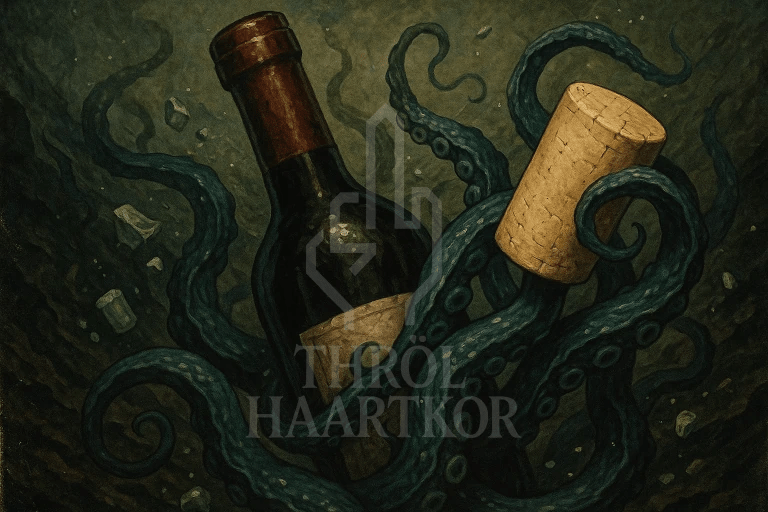
The plastic stopper, often sidelined in sustainability discussions around wine, raises crucial questions about transparency and truthfulness in labeling. Including the stopper type on wine labels could illuminate what consumers are actually buying - cutting through the greenwashed narratives that dominate the industry. Whether cork, aluminum or plastic, the stopper carries serious environmental implications, and the material choice deserves to be stated outright. By embracing this level of transparency, producers can build a more genuine relationship with their consumers - reinforcing the wine sector’s ecological commitments with actual consistency.

WCM, EFQM and ISO: It’s time to question everything

🏆 Industrial excellence? A trophy, a photo, a story. (WCM. EFQM. ISO.) Labels that validate the narrative, not the experience. What they measure: compliance. What they ignore: wear, reality, silences. No human evaluation. No lived transformation. Just a mirror held up to the public. A trophy changes nothing. It just looks pretty on the mantel. Thröl Haartkor Mk III - When you can’t listen to the teams, you collect medals.

Vinventions: Ecological Innovation or Pure Illusion?
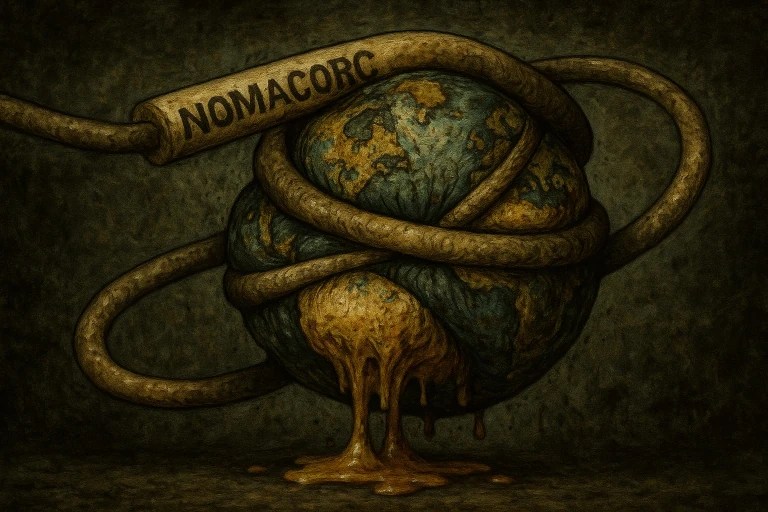
Vinventions, the grand wizard of plastic caps, serves up a story where plastic gets cast as the new eco-hero. We’re promised “recyclable” and “carbon-neutral” products, all wrapped up in their Green Line - which, spoiler, usually ends up in the incinerator rather than any recycling bin. Like a movie star, it dazzles, but that shine covers up a much duller reality. Bottom line: with carbon neutrality floating in artistic blur and durability tests nowhere to be seen, you start to wonder if their caps are really made to stroke your conscience... or just your wine!

Toward a plastic-free future: change the logic
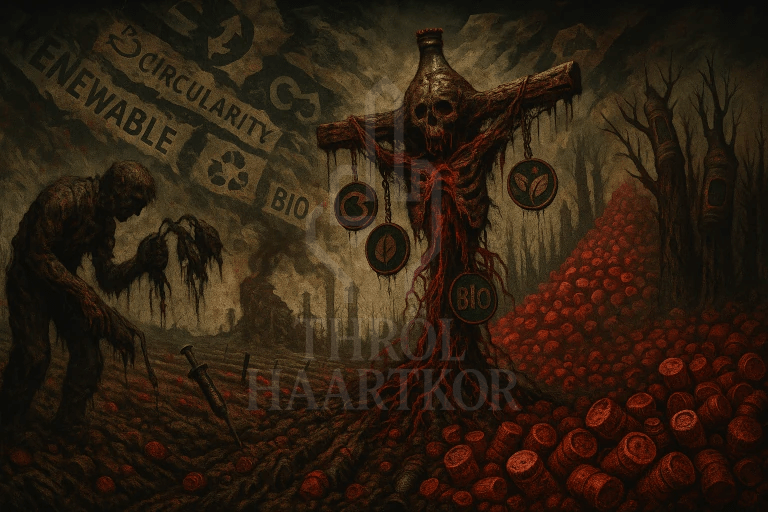
Plastic, that good old 21st-century parasite, lives on in new disguises: welcome to “bio-based plastic”! We figured swapping oil for plants might give our queens of hell a touch of dignity. Spoiler alert: plastic is still plastic, whether it comes from cornfields or crude. Basically, we slapped a green smile on a monster that refuses to die. The waste keeps piling up, and this so-called “innovation” might just be a masterclass in marketing spin. So... when do we finally break up with plastic for real?

Ocean Recycled wine closures: Promises vs. Reality

If you thought ocean-plastic closures came straight from the abyss - think again! These sustainability darlings are actually much closer to the shoreline than the deep sea, collected from “at-risk” zones, not the ocean itself. Flaunting their “recycled” label like stars on a green carpet, many still pack a hefty dose of virgin plastic - because recycled alone rarely holds up. It’s a neat little accounting trick, where what’s actually inside remains a mystery. Maybe fewer closures is the real green answer to this plastic comedy!

Circularity: Reality or Illusion in Petrochemicals?

Braskem Idesa puts on a sustainability parade in its 2024 ESG report, but the reality tells a different story. The company plays the circularity card while delivering a recycled resin output that’s barely measurable. As it flaunts marketing wins, it clings to an industrial model rooted in fossil fuels - backed by massive investments to keep that dependence alive. Glossy biodiversity stats gloss over neglected environmental impacts. This report, orchestrated to soothe investors, feels more like a smokescreen than a genuine shift toward sustainable transformation. The real costs and consequences of these choices remain in the dark - raising serious questions about the credibility of it all.