Decoding Vinventions’ 2024 CSR Report: Truth or Spin?
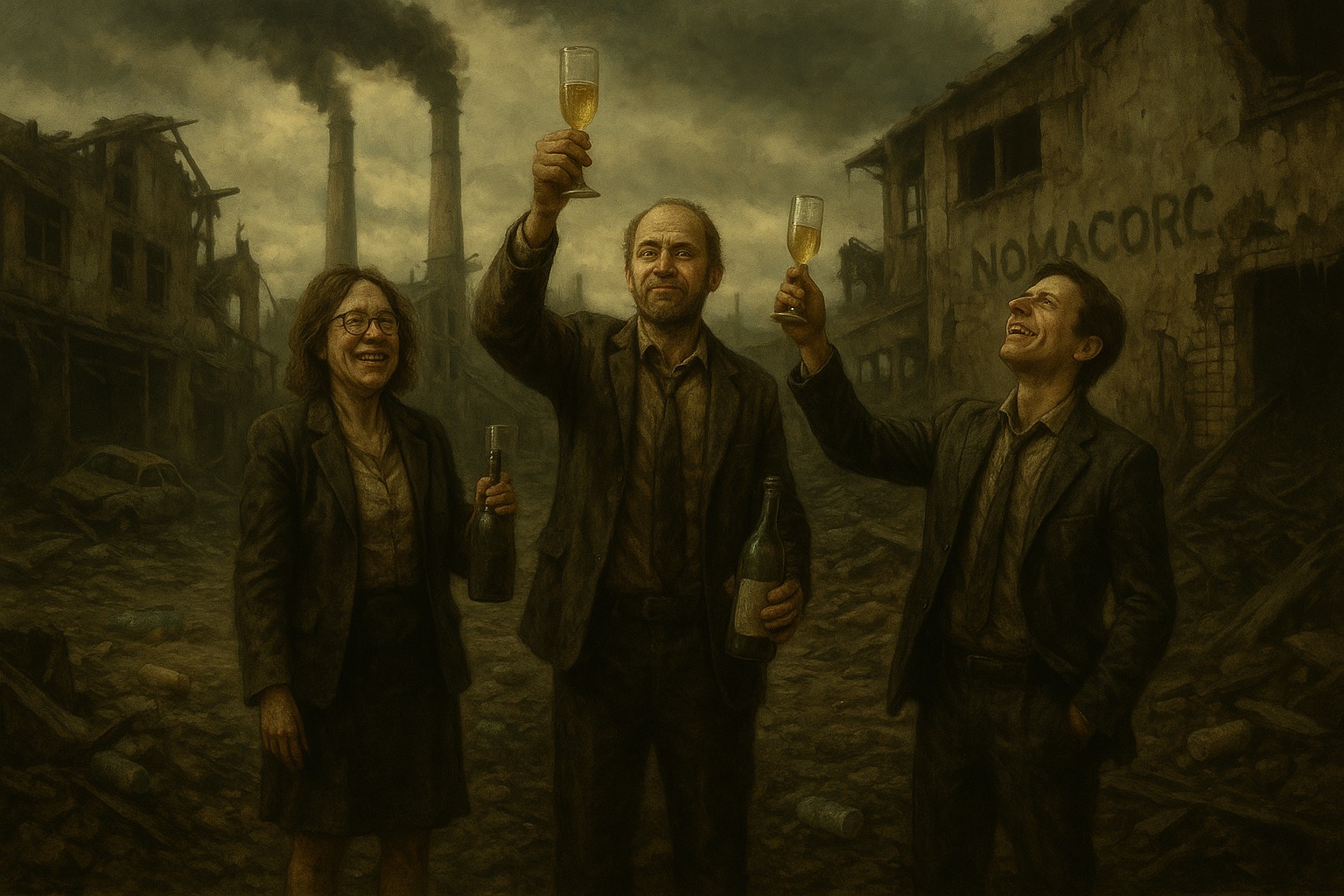
Welcome to the dazzling world of Vinventions, the plastic cap champion celebrating 25 years of sustainable innovation, or more honestly, 25 years perfecting the art of recycled marketing. Their 2024 CSR report is packed with flashy stats like 73% recycled caps, but the real question is, recycled how? Pre-consumer or post-consumer? And what about that 78% “sustainable energy” claim, which could just be a heartfelt tribute to the green tint of a kilowatt? Bottom line, it is a festival of sugar-coated promises without a shred of proof for real environmental commitment. Think about it. A stoper on a problem that desperately needs a real closure.

Vinventions: Ecological Innovation or Pure Illusion?
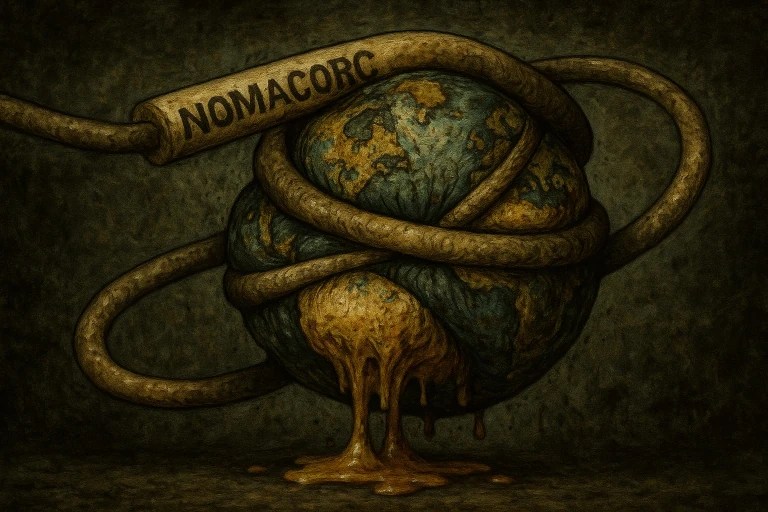
Vinventions, the grand wizard of plastic caps, serves up a story where plastic gets cast as the new eco-hero. We’re promised “recyclable” and “carbon-neutral” products, all wrapped up in their Green Line - which, spoiler, usually ends up in the incinerator rather than any recycling bin. Like a movie star, it dazzles, but that shine covers up a much duller reality. Bottom line: with carbon neutrality floating in artistic blur and durability tests nowhere to be seen, you start to wonder if their caps are really made to stroke your conscience... or just your wine!

Transparence des bouchons : une nécessité pour le vin durable
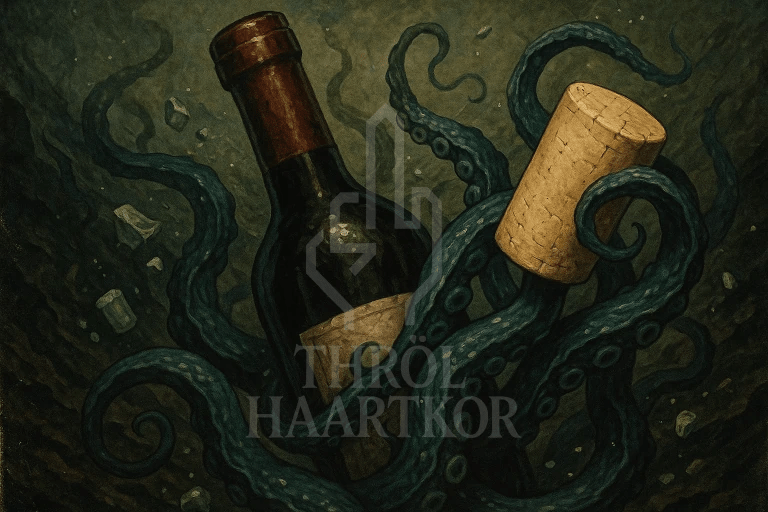
Le bouchon plastique, souvent négligé dans le discours sur la durabilité du vin, soulève des questions essentielles sur la transparence et l’honnêteté dans l'étiquetage. L’idée d’inclure le type de bouchon sur les étiquettes de vin pourrait éclairer les consommateurs sur la composition de ce qu’ils achètent, contrecarrant les récits écologiques souvent trompeurs. Le bouchon, qu'il soit en liège, en aluminium ou en plastique, a des implications significatives pour l'environnement, et le choix du matériau mérite d’être explicitement mentionné. En intégrant cette transparence, les producteurs peuvent établir une relation plus authentique avec les consommateurs, renforçant la cohérence dans l'engagement écologique du secteur viticole.

Toward a plastic-free future: change the logic
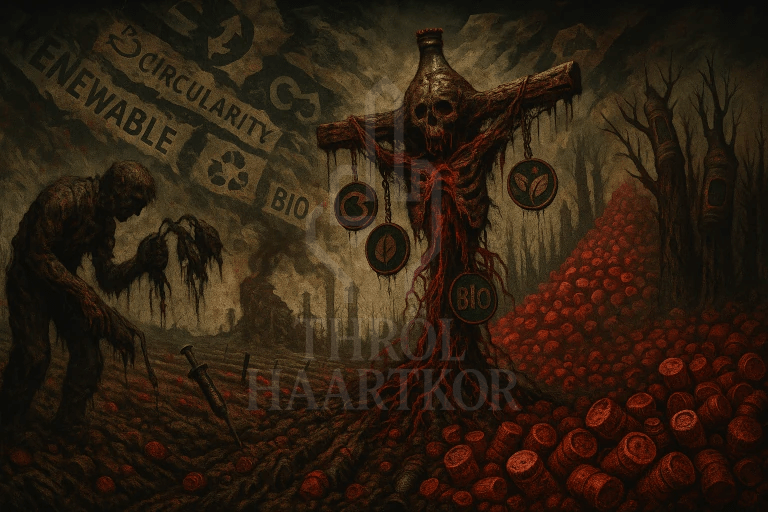
Plastic, that good old 21st-century parasite, lives on in new disguises: welcome to “bio-based plastic”! We figured swapping oil for plants might give our queens of hell a touch of dignity. Spoiler alert: plastic is still plastic, whether it comes from cornfields or crude. Basically, we slapped a green smile on a monster that refuses to die. The waste keeps piling up, and this so-called “innovation” might just be a masterclass in marketing spin. So... when do we finally break up with plastic for real?

WCM, EFQM et ISO : Il est temps de remettre en question
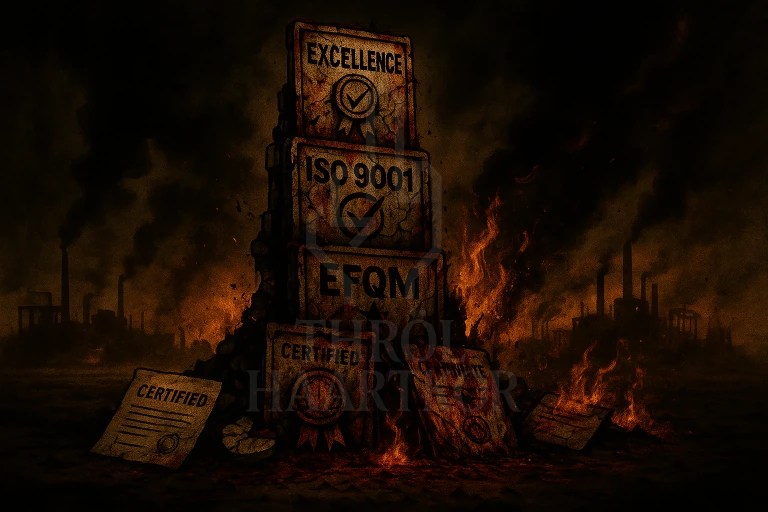
🏆 L’excellence industrielle ? Un trophée, une photo, un récit. (WCM. EFQM. ISO.) Des labels qui valident le discours - pas le vécu. 👉 Ce qu’ils mesurent : la conformité. 👉 Ce qu’ils ignorent : l’usure, le réel, les silences. Pas d’évaluation humaine. Pas de transformation vécue. Juste un miroir tendu au public. Un trophée ne change rien. Il fait juste joli sur la cheminée. Thröl Haartkor Mk III - À défaut d’écouter les équipes, on collectionne les médailles.

Circularity: Reality or Illusion in Petrochemicals?

Braskem Idesa puts on a sustainability parade in its 2024 ESG report, but the reality tells a different story. The company plays the circularity card while delivering a recycled resin output that’s barely measurable. As it flaunts marketing wins, it clings to an industrial model rooted in fossil fuels - backed by massive investments to keep that dependence alive. Glossy biodiversity stats gloss over neglected environmental impacts. This report, orchestrated to soothe investors, feels more like a smokescreen than a genuine shift toward sustainable transformation. The real costs and consequences of these choices remain in the dark - raising serious questions about the credibility of it all.

Unpacking the eco-facade of modern industry
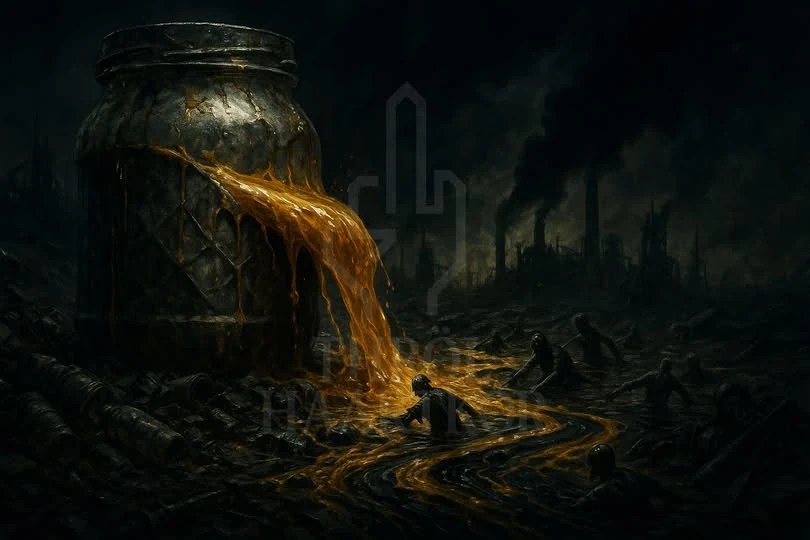
Companies wrap themselves in green - but the reality is much darker. Between honey jars showcased on LinkedIn and tons of plastic churned out behind the scenes, the façade of corporate ecology fools no one. These “nature-friendly” gestures mask a hungry industry, where a few kilos of honey can’t offset thousands of tonnes of polymers. A beehive on a rooftop doesn’t erase plastic pipelines. The masquerade has to end. It’s time to face material truths - and push for deep transformation, not photogenic stunts. Drop the symbols. Demand tangible results.

The bio-based plastic: branded green, built to last forever.”
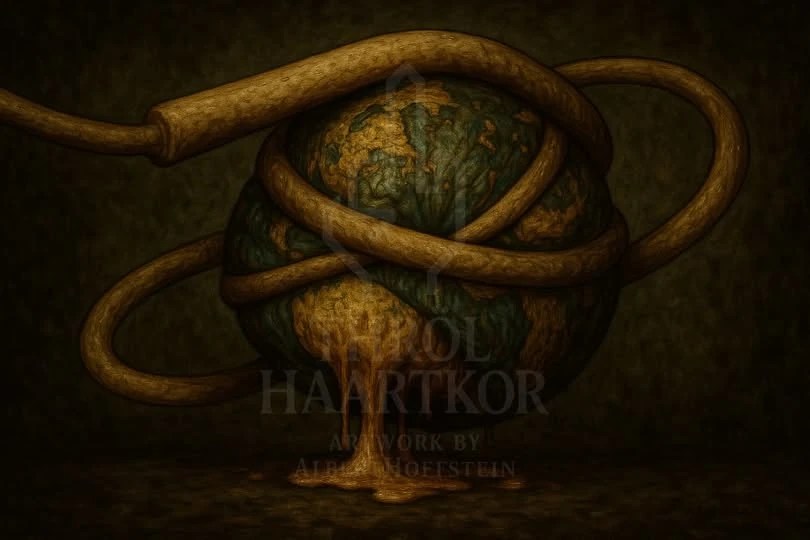
Ah, World Environment Day, the perfect moment for the plastics industry to swap its polyethylene T-shirt for a lovely “bio-based” sweater. Like watching a criminal dress up as a hero. Every June 5, we get bombarded with dazzling promises that smell like chloroform for our critical minds. With magic words and catchy storytelling, we get sprinkled with “renewable”, never mind the actual facts. So yes, let’s celebrate this day by remembering: wrapping plastic in green won’t give it a conscience. Spoiler: the oceans don’t feel a thing.

Décryptage du Rapport RSE de Vinventions

Bienvenue dans le monde éclatant de Vinventions, le champion des bouchons plastiques qui célèbre 25 ans d'innovation durable - ou plutôt, 25 ans à perfectionner l'art du bullshit marketing recyclé. Leur rapport RSE 2024 est truffé de chiffres impressionnants comme 73 % de bouchons recyclés, mais la question est : recyclés comment ? Pré-ou post-consommation ? Et que dire de leur "énergie durable" à 78 % qui pourrait bien être un vibrant hommage à la couleur verte d’un kilowatt ? En gros, c'est un festival de promesses enrobées sans la preuve d’un véritable engagement environnemental. Pensez-y : un bouchon sur un problème qui demande une réelle fermeture.

Vinventions : Innovation Écologique ou Illusion ?

Vinventions, le grand manitou des bouchons plastiques, nous régale d'un récit où le plastique est le nouvel héros écolo. Ils nous promettent des produits "recyclables" et "carbone neutre", tout en nous parlant de leur Green Line, qui, spoiler alert, finit souvent plus dans l'incinérateur que dans un bac de recyclage. Comme une étoile de cinéma, elle brille, mais l'éclat masque une réalité peu reluisante. En somme, avec la neutralité carbone qui reste dans le flou artistique et des tests de durabilité invisibles, on se demande si leurs bouchons ne sont pas surtout là pour flatter notre conscience... ou notre vin !