The B Corp label myth exposed
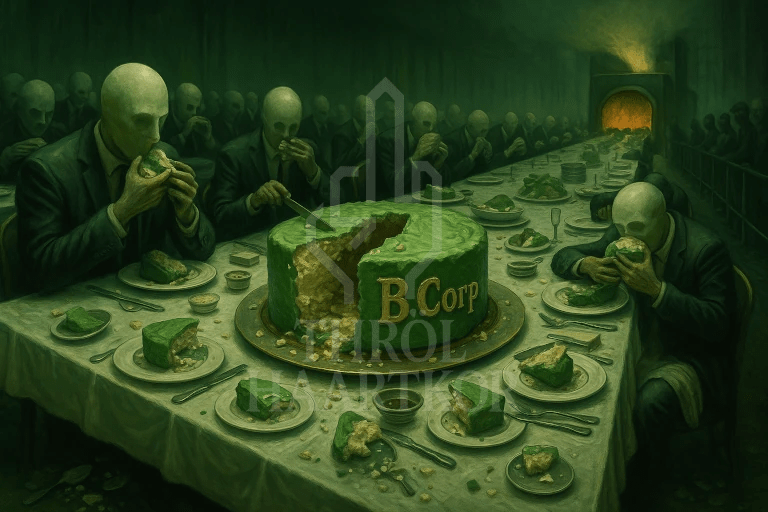
Ah, B Corp - the business world’s superhero, only with a cardboard suit. This glittering badge could be a ticket to a better world, but mostly works as a blinding shop window, masking shady practices and a real lack of transformation. Companies tick the shiny boxes, while the dark corners stay untouched. Great for their marketing animations! Meanwhile, a few decent SMEs try to act responsibly, but most corporate giants keep dancing their usual ballet without changing the tune. In short, B Corp is flashy smoke and mirrors - with no real change in sight!

Le mythe du label B Corp exposé

Ah, B Corp, le super-héros du monde des affaires, mais avec un costume en carton. Ce badge scintillant pourrait être le ticket pour un monde meilleur, mais il semble qu'il fonctionne surtout comme une vitrine éblouissante, cachant derrière elle des pratiques douteuses et un manque de transformation réelle. Les entreprises cochent des cases brillantes, mais les coins sombres restent cachés. Tant mieux pour leurs animations marketing ! Alors que certaines PME dignes essaient de se montrer responsables, la plupart des géants continuent leur ballet tout en conservant leurs vieilles recettes. En gros, B Corp, c'est de la belle poudre aux yeux, mais pas beaucoup de changement en perspective !

Transparency in closures: a necessity for sustainable wine
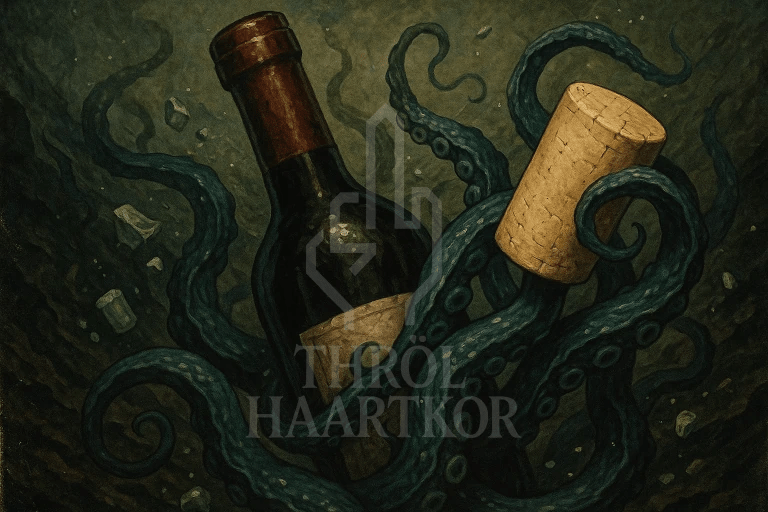
The plastic stopper, often sidelined in sustainability discussions around wine, raises crucial questions about transparency and truthfulness in labeling. Including the stopper type on wine labels could illuminate what consumers are actually buying - cutting through the greenwashed narratives that dominate the industry. Whether cork, aluminum or plastic, the stopper carries serious environmental implications, and the material choice deserves to be stated outright. By embracing this level of transparency, producers can build a more genuine relationship with their consumers - reinforcing the wine sector’s ecological commitments with actual consistency.

WCM, EFQM and ISO: It’s time to question everything
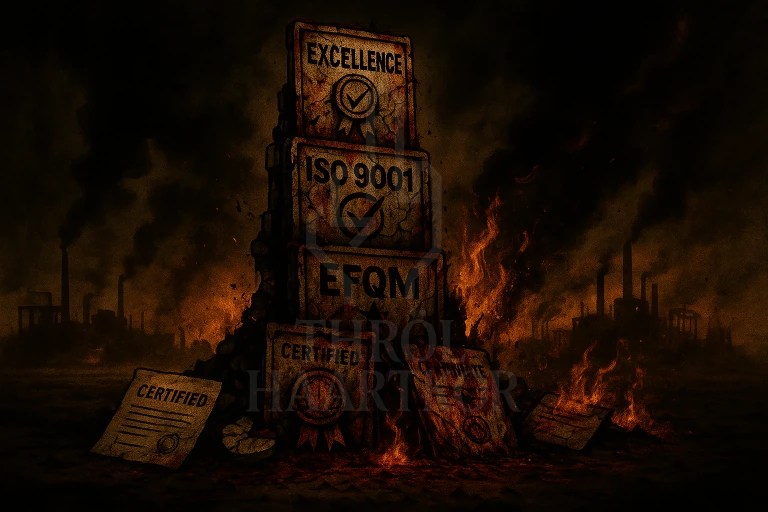
🏆 Industrial excellence? A trophy, a photo, a story. (WCM. EFQM. ISO.) Labels that validate the narrative, not the experience. What they measure: compliance. What they ignore: wear, reality, silences. No human evaluation. No lived transformation. Just a mirror held up to the public. A trophy changes nothing. It just looks pretty on the mantel. Thröl Haartkor Mk III - When you can’t listen to the teams, you collect medals.

Decoding Vinventions’ 2024 CSR Report: Truth or Spin?
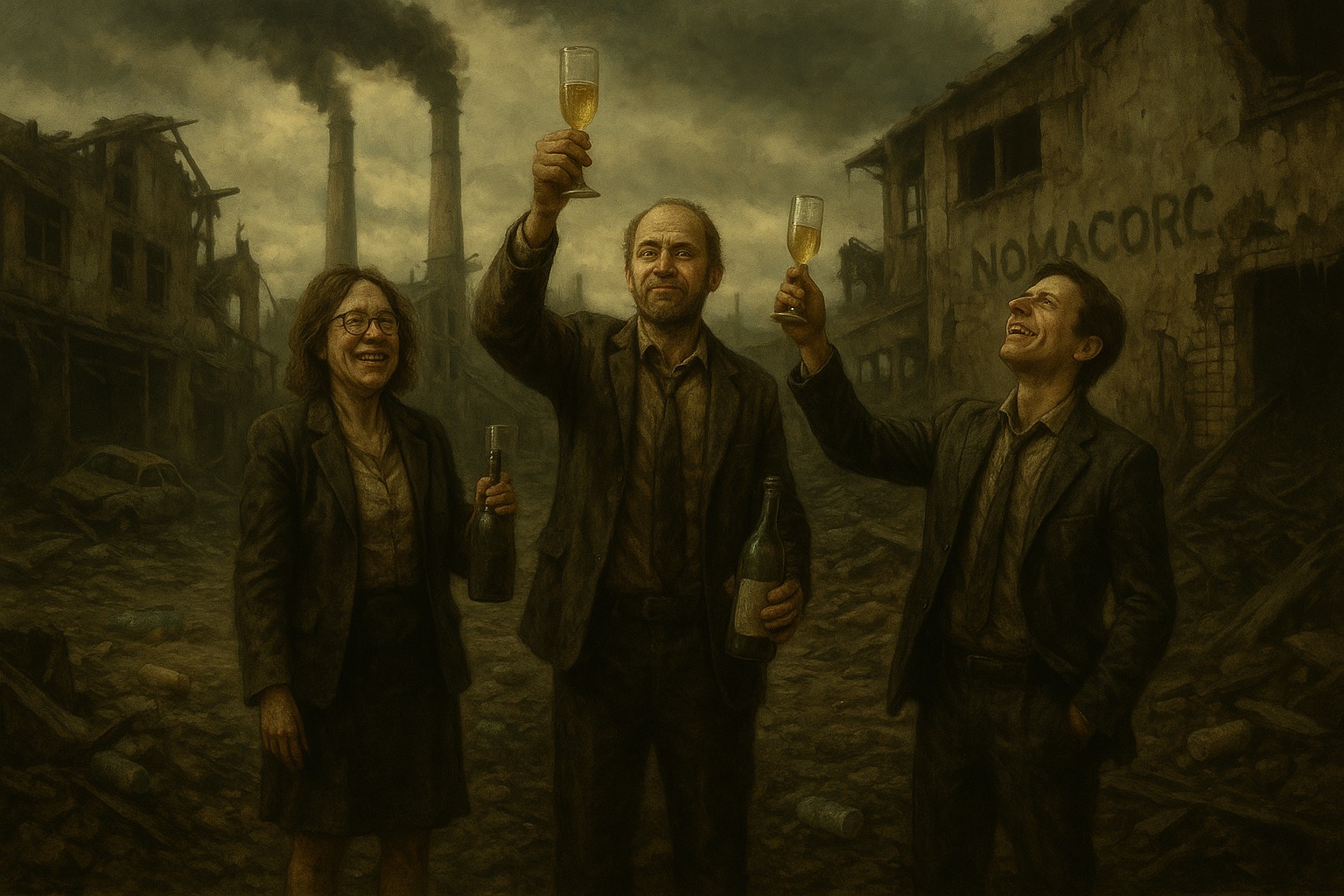
Welcome to the dazzling world of Vinventions, the plastic cap champion celebrating 25 years of sustainable innovation, or more honestly, 25 years perfecting the art of recycled marketing. Their 2024 CSR report is packed with flashy stats like 73% recycled caps, but the real question is, recycled how? Pre-consumer or post-consumer? And what about that 78% “sustainable energy” claim, which could just be a heartfelt tribute to the green tint of a kilowatt? Bottom line, it is a festival of sugar-coated promises without a shred of proof for real environmental commitment. Think about it. A stoper on a problem that desperately needs a real closure.

Transparence des bouchons : une nécessité pour le vin durable

Le bouchon plastique, souvent négligé dans le discours sur la durabilité du vin, soulève des questions essentielles sur la transparence et l’honnêteté dans l'étiquetage. L’idée d’inclure le type de bouchon sur les étiquettes de vin pourrait éclairer les consommateurs sur la composition de ce qu’ils achètent, contrecarrant les récits écologiques souvent trompeurs. Le bouchon, qu'il soit en liège, en aluminium ou en plastique, a des implications significatives pour l'environnement, et le choix du matériau mérite d’être explicitement mentionné. En intégrant cette transparence, les producteurs peuvent établir une relation plus authentique avec les consommateurs, renforçant la cohérence dans l'engagement écologique du secteur viticole.

Toward a plastic-free future: change the logic
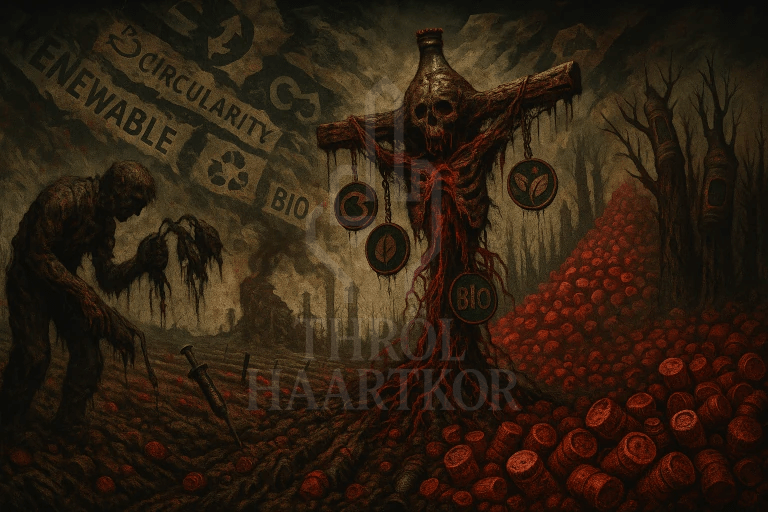
Plastic, that good old 21st-century parasite, lives on in new disguises: welcome to “bio-based plastic”! We figured swapping oil for plants might give our queens of hell a touch of dignity. Spoiler alert: plastic is still plastic, whether it comes from cornfields or crude. Basically, we slapped a green smile on a monster that refuses to die. The waste keeps piling up, and this so-called “innovation” might just be a masterclass in marketing spin. So... when do we finally break up with plastic for real?

Ocean Recycled wine closures: Promises vs. Reality

If you thought ocean-plastic closures came straight from the abyss - think again! These sustainability darlings are actually much closer to the shoreline than the deep sea, collected from “at-risk” zones, not the ocean itself. Flaunting their “recycled” label like stars on a green carpet, many still pack a hefty dose of virgin plastic - because recycled alone rarely holds up. It’s a neat little accounting trick, where what’s actually inside remains a mystery. Maybe fewer closures is the real green answer to this plastic comedy!

Unpacking the eco-facade of modern industry
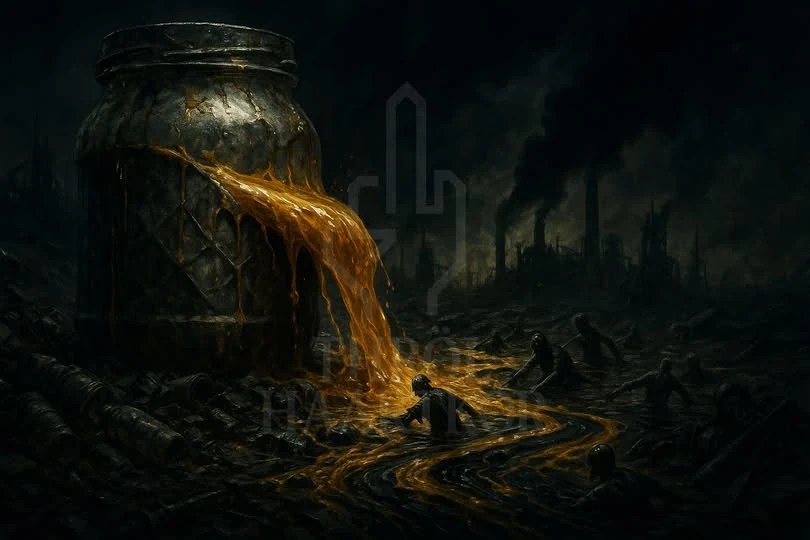
Companies wrap themselves in green - but the reality is much darker. Between honey jars showcased on LinkedIn and tons of plastic churned out behind the scenes, the façade of corporate ecology fools no one. These “nature-friendly” gestures mask a hungry industry, where a few kilos of honey can’t offset thousands of tonnes of polymers. A beehive on a rooftop doesn’t erase plastic pipelines. The masquerade has to end. It’s time to face material truths - and push for deep transformation, not photogenic stunts. Drop the symbols. Demand tangible results.

The bio-based plastic: branded green, built to last forever.”
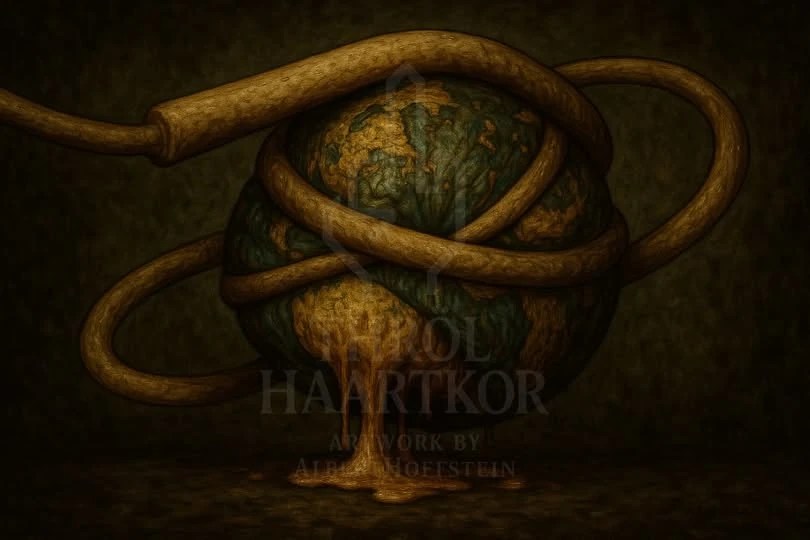
Ah, World Environment Day, the perfect moment for the plastics industry to swap its polyethylene T-shirt for a lovely “bio-based” sweater. Like watching a criminal dress up as a hero. Every June 5, we get bombarded with dazzling promises that smell like chloroform for our critical minds. With magic words and catchy storytelling, we get sprinkled with “renewable”, never mind the actual facts. So yes, let’s celebrate this day by remembering: wrapping plastic in green won’t give it a conscience. Spoiler: the oceans don’t feel a thing.